Durian (Durio zibethinus) long celebrated as Malaysia’s “King of Fruits,” is no longer confined to backyard orchards or small plots. In recent years, vast plantations have emerged across Pahang, Johor, and Penang, driven by soaring demand for premium varieties such as Musang King. These estates, managed with the precision of oil palm or rubber plantations, symbolize Malaysia’s ambition to dominate the global durian market. Yet behind the promise of billion-ringgit exports lies a growing threat: deadly diseases that creep through the soil, rot the roots, and jeopardize farmers’ livelihoods and the nation’s reputation as a durian powerhouse.
Malaysia’s premium varieties, such as Musang King, are highly sought after in China and other international markets. However, the sustainability of this industry is increasingly challenged by disease outbreaks that damage trees, reduce yields, and threaten long-term production.
Major Disease Threats
- Phytophthora palmivora (root and stem rot)
This pathogen is one of the most destructive to durian trees. It causes root rot, patch canker, and dieback, leading to tree death if untreated.
- Phytopythium species
Similar to Phytophthora, these oomycetes attack roots and stems, weakening trees and reducing fruit quality.
- White root disease (Rigidoporus microporus)
A fungal infection that spreads underground, causing roots to decay. It is notoriously difficult to detect early and can wipe out entire plantations.
- Leaf spot and other foliar diseases
These reduce photosynthesis efficiency, weakening trees and lowering fruit yield.
- Pests such as squirrels and civets
While not diseases, these animals damage fruits and exacerbate losses.
Economic and Agricultural Impact
Malaysia’s durian exports are worth hundreds of millions annually, with Musang King commanding premium prices abroad. Disease outbreaks can cause catastrophic losses, not only for farmers but also for Malaysia’s export market. A single infected orchard can lose up to 70% of its yield, and replanting diseased trees requires years before production resumes.
Management Strategies
Researchers and farmers are exploring multiple approaches to combat these threats:
- Chemical control: Fungicides remain a frontline defense, though overuse risks environmental harm.
- Biological control: Beneficial microbes and plant extracts show promise in suppressing pathogens.
- Integrated management: Combining sanitation, resistant rootstocks, and careful water management reduces disease spread.
- Innovative methods: Gene silencing and natural plant compounds are being studied as sustainable alternatives.
Risks and Challenges
- Climate change: Increased rainfall and humidity create ideal conditions for fungal pathogens.
- Monoculture plantations: Large-scale planting of single durian varieties increases vulnerability.
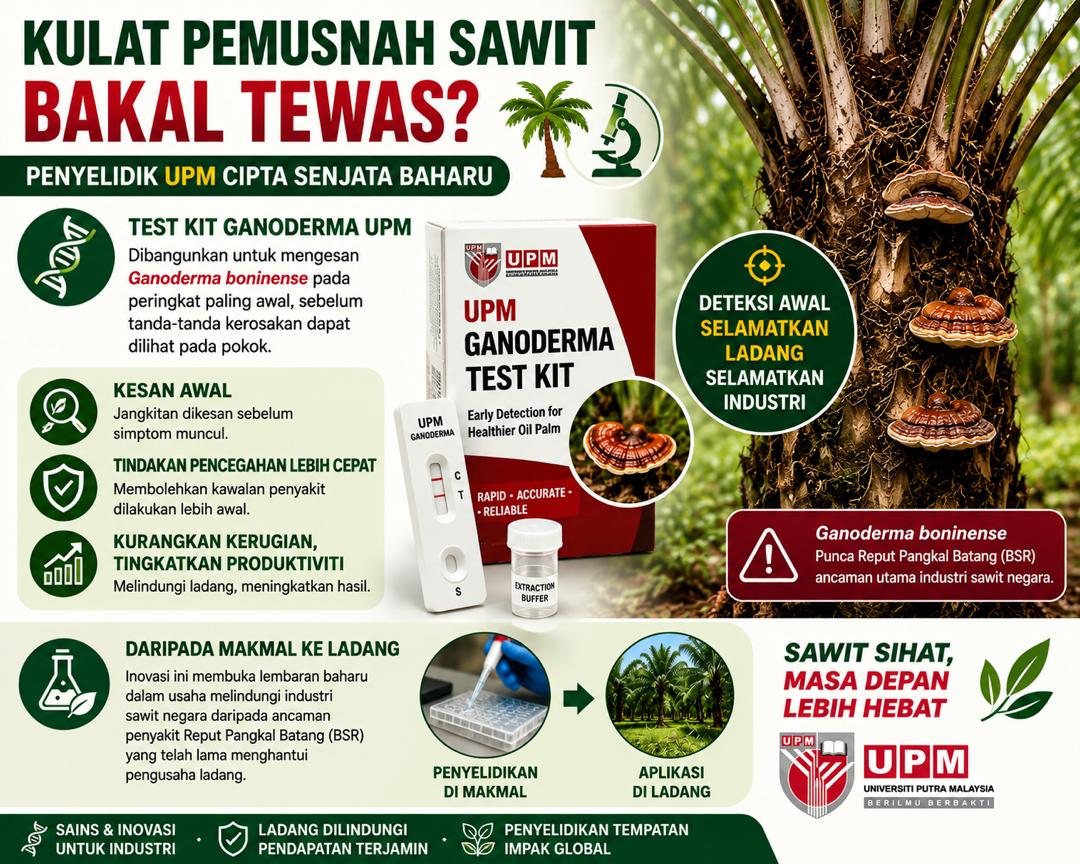
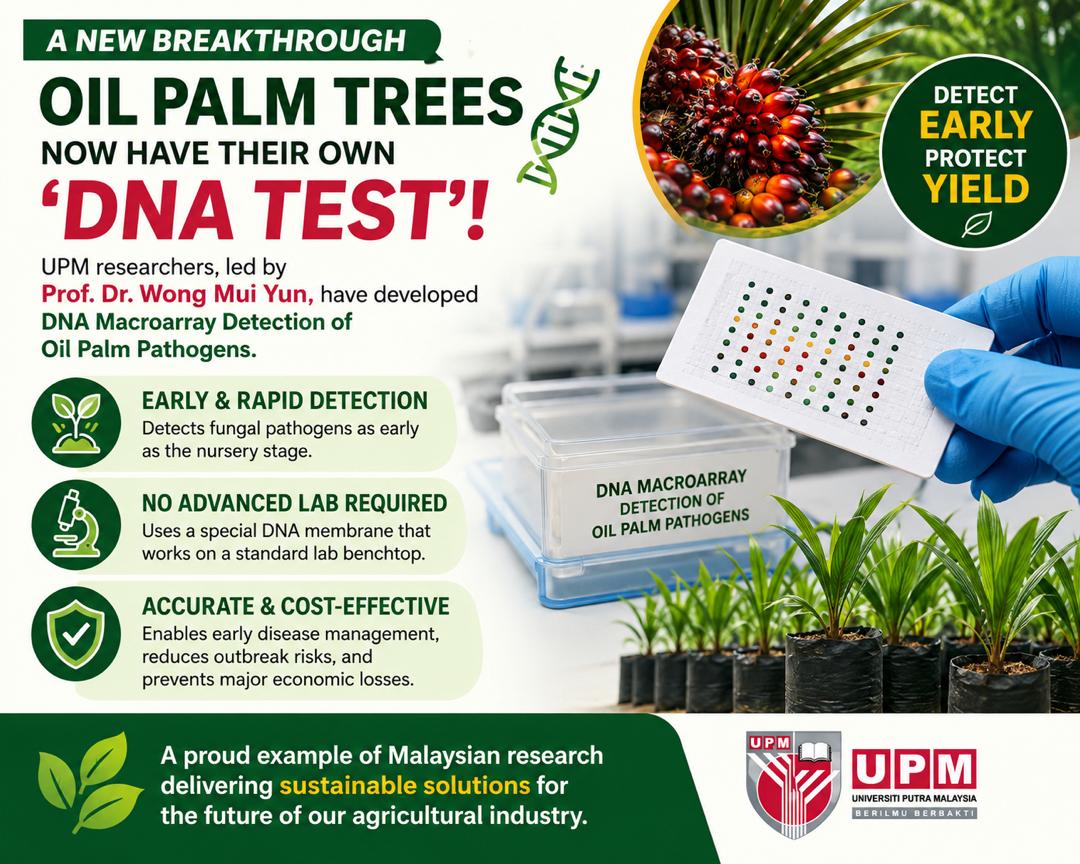
- Delayed detection: Many root diseases remain hidden until trees show severe symptoms, making early intervention difficult.
Durian’s future in Malaysia depends on proactive disease management and investment in research. Farmers must adopt integrated strategies, while policymakers should support innovation and training. Protecting durian from disease is not just about saving a crop; it is about preserving Malaysia’s cultural heritage and economic strength.
Date of Input: 31/12/2025 | Updated: 31/12/2025 | ainzubaidah
MEDIA SHARING